Simon Ostrovsky
Special Correspondent, PBS NewsHour
About the event
Defending Baltics 2026: The War Above Us is a high-level international Security Conference and Defence Industry Expo focused on the lessons Ukraine’s war holds for the defence of the Baltic region and Europe.
Bringing together military leaders, policymakers, security experts, critical-infrastructure practitioners and defence industry representatives, Conference and Defence Industry Expo will examine how Europe can detect threats earlier, defeat them effectively and endure under sustained attack.
Day One focuses on deterrence, air and space, persistent ISR, air and missile defence, C-UAS, electronic warfare, deep strike and Europe’s capability gaps.
Day Two co-organised with the Ministry of Foreign Affairs of Lithuania turns to critical infrastructure under fire: what must be protected, what must continue operating, how systems recover, and how governments, armed forces, businesses and civil society coordinate when not everything can be defended.
More than a conference
Defending Baltics is also a platform for cooperation between government, armed forces, industry and civil society.
Alongside the main programme, participants will have access to the Defending Baltics Industry Expo, networking and B2B matchmaking opportunities, partner sessions and selected closed-door or invitation-only discussions.
For defence and security companies, it is an opportunity to present relevant capabilities, understand real operational needs and connect directly with decision-makers, practitioners and potential partners from across the Baltic, Nordic, European and Ukrainian defence ecosystem.
Who should apply?
Defending Baltics is a professional conference primarily intended for:
military and NATO representatives;
defence, security and foreign-policy decision-makers;
ministries and other public institutions;
NATO, EU and international security organisations;
defence and security experts and analysts;
defence industry executives and specialists;
critical-infrastructure and resilience professionals;
relevant think tanks and academia.
Registration and admission
Submitting a registration form does not guarantee admission. All applications are reviewed by the organising team. Attendance is confirmed only after receiving a separate confirmation email from Defending Baltics.
Participation is complimentary for approved representatives of armed forces, government institutions and other public-sector organisations.
Approved representatives of private companies and the defence industry participate through a Donation Ticket, contributing to the organisation and delivery of the event.
Access to selected closed-door sessions and matchmaking formats may require separate confirmation or invitation.
Organisers
Defending Baltics 2026 is organised by NGO Locked N’ Loaded and NGO Civic Resilience Initiative.
In partnership with the European Commission, Ministry of Foreign Affairs of Lithuania, Ministry of National Defence of Lithuania, Friedrich Neumann Foundation, Embassy of the Kingdom of Norway and Vilnius City Municipality.
Supported by: Palantir, Aselsan, Patria, Helsing, Fire Point, Brolis, Euroelektronika, Sorainen and other partners.
Conference host: Simon Ostrovsky.
Mon
Simon OstrovskySpecial Correspondent, PBS NewsHour
 Robertas KaunasMinister, Ministry of National Defence of Lithuania
 Andrius KubiliusCommissioner for Defence and Space at European Commission
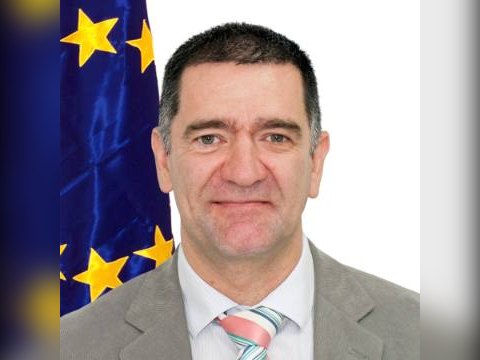 Maj. Gen. Pascal LegaiSenior Security Advisor, European Space Agency
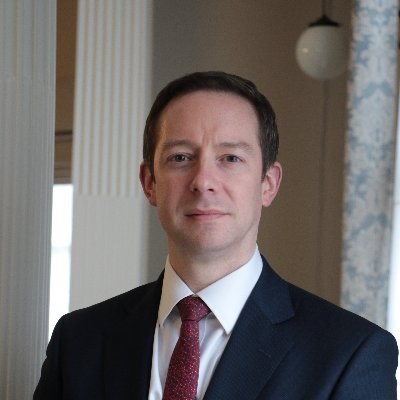 Matthew SavillDirector of Military Sciences, Royal United Services Institute (RUSI)
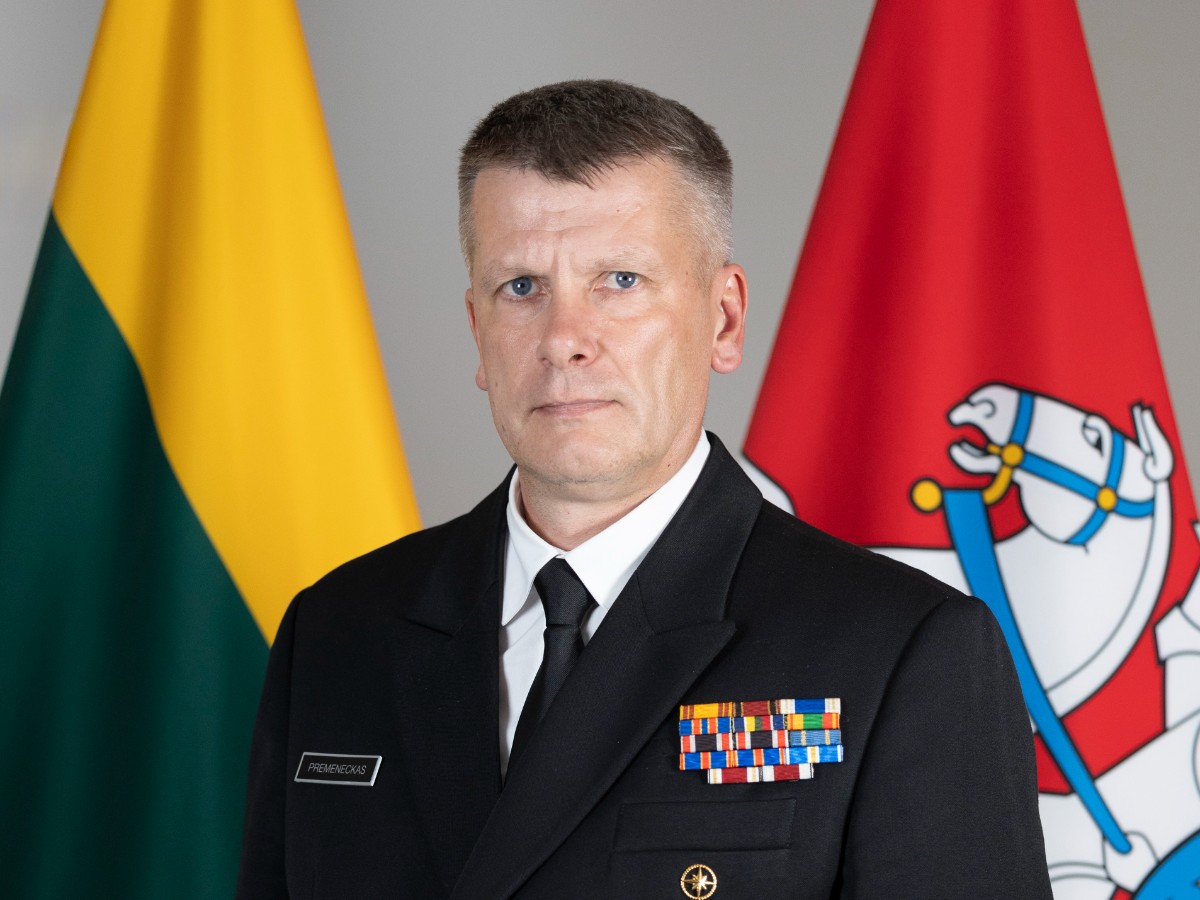 RADM Giedrius PremeneckasChief of Defence Staff and Vice Chief of Defence, Lithuanian Armed Forces
 Brian WhitmoreAssistant Professor of Practice, University of Texas-Arlington McDowell Center for Global Studies
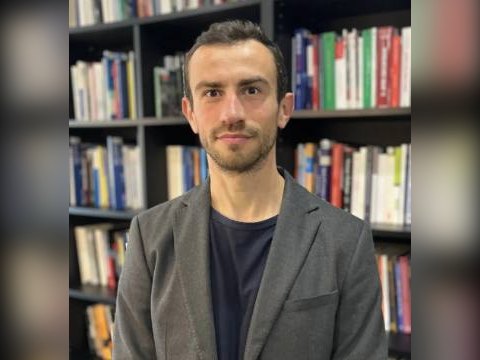 Étienne MarcuzSenior Analyst & Associate Fellow, Foundation for Strategic Research (FRS)
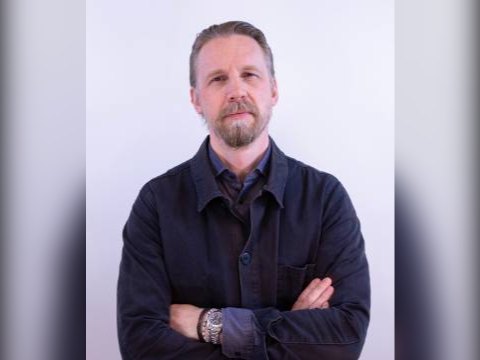 Dr. Karl SörensonDirector of Research, Department for Strategy and Policy, Swedish Defence Research Agency (FOI)
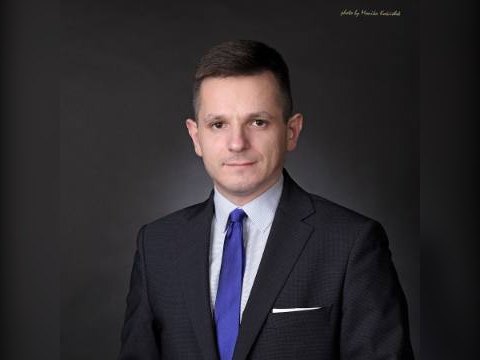 Artur KacprzykNuclear Deterrence Analyst, Polish Institute of International Affairs (PISM)
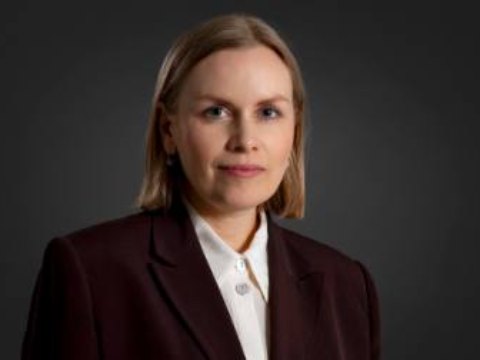 Prof. Dr. Målfrid Braut-HegghammerProfessor of War Studies, King´s College London
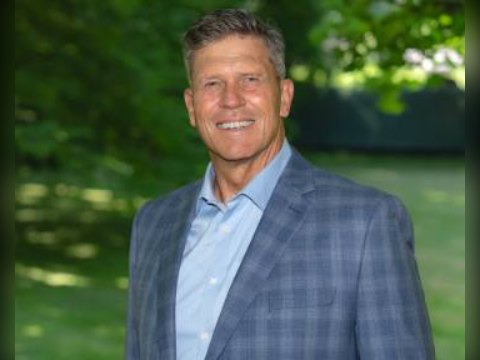 Maj. Gen. (Ret.) Peter B. AndrysiakSenior Counselor, Palantir & former EUCOM COS
RE
Richard EvansPalantir Deployment strategist Privacy and Civil Liberties
LA
Lukas AndriukaitisDeployment Strategist, Palantir
RŽ
Rimantas ŽyliusDeployment Strategist, Palantir
How is AI changing the way militaries understand the battlefield, plan operations and make decisions? Palantir has emerged as a key defence technology provider, helping US and allied forces connect data across domains and turn it into operational advantage. Its Maven Smart System, acquired by NATO for Allied Command Operations, brings together data integration, AI-assisted analysis and shared situational awareness to support faster, better-informed decisions. This discussion-workshop serves as an opportunity to look beyond the AI headlines and explore what is Palantir, its offering for armed forces - Maven Smart Systems - and how it shapes modern military operations.
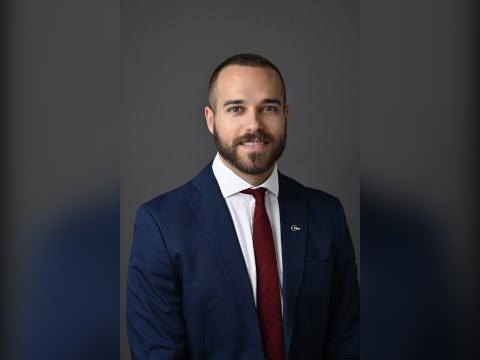 Federico BorsariFellow, Transatlantic Defense and Security Program, CEPA
Matthew SavillDirector of Military Sciences, Royal United Services Institute (RUSI)
 Sidharth KaushalSenior Research Fellow, Military Sciences, Royal United Services Institute (RUSI)
Despite rising defence budgets, Europe still has deficiencies in the capabilities, coordination, structures, and funding needed to independently defend its borders. As security threats to Europe are becoming more immediate, RUSI has been running a Track 1.5 research and outreach Task Force to bring together European policy and industry leaders to focus on priorities for improving the capabilities necessary to defend Europe or deter a conventional threat, especially in circumstances where the US is less engaged – or even entirely absent – in NATO and transatlantic security. This discussion will present some of the initial conclusions of that work.
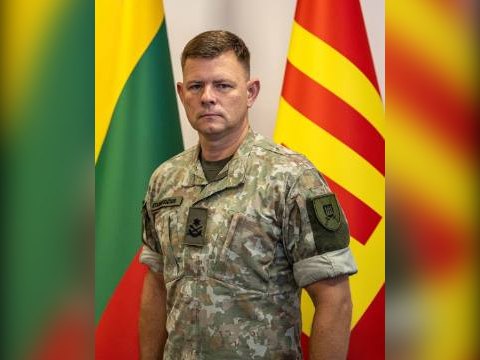 Brig. Gen. Nerijus StankevičiusChief of Army, Lithuanian Armed Forces
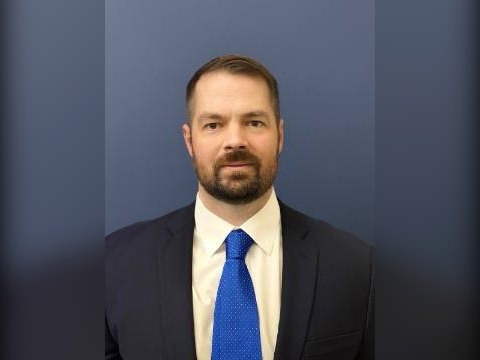 Rob LeeSenior Fellow, Foreign Policy Research Institute (FPRI)
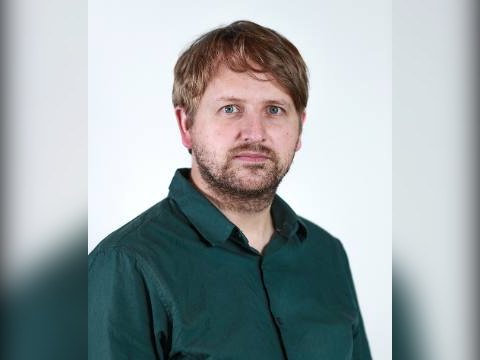 Bob TollastResearch Fellow, Land Warfare team, Royal United Services Institute (RUSI)
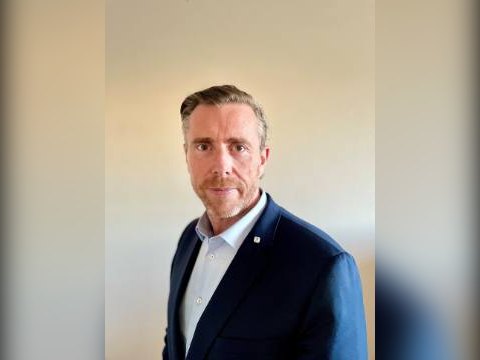 Ruben StewartSenior Fellow for Land Warfare, International Institute for Strategic Studies (IISS)
Maj. Gen. (Ret.) Peter B. AndrysiakSenior Counselor, Palantir & former EUCOM COS
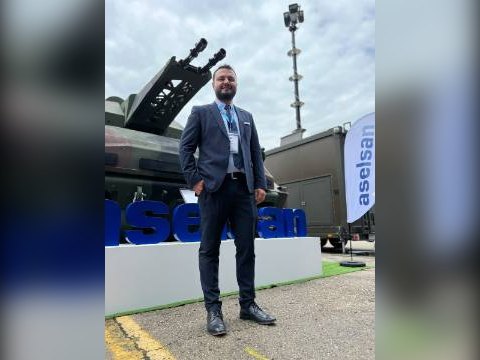 Atilla Çağrı DağıstanAir Defence Systems Program Manager, ASELSAN
Brian WhitmoreAssistant Professor of Practice, University of Texas-Arlington McDowell Center for Global Studies
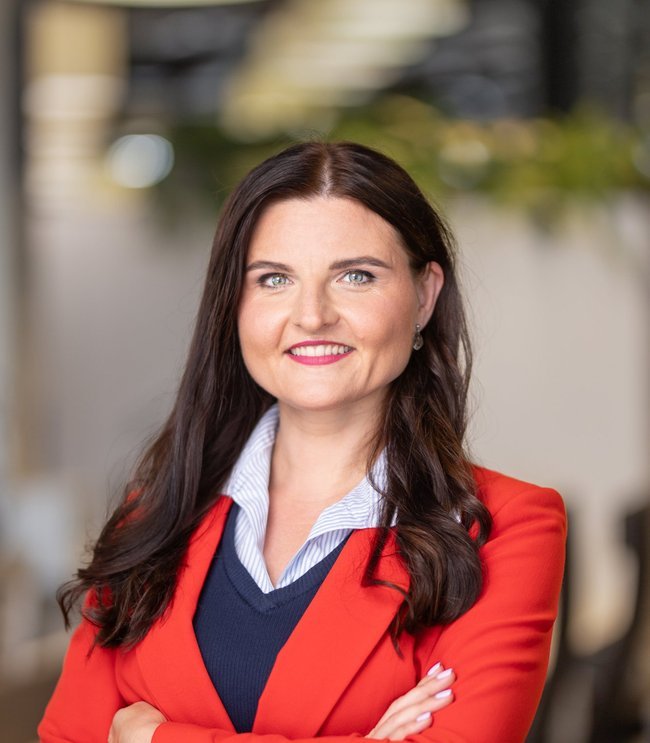 Ugnė KaraliūnaitėDeputy Editor in Chief at Delfi.lt
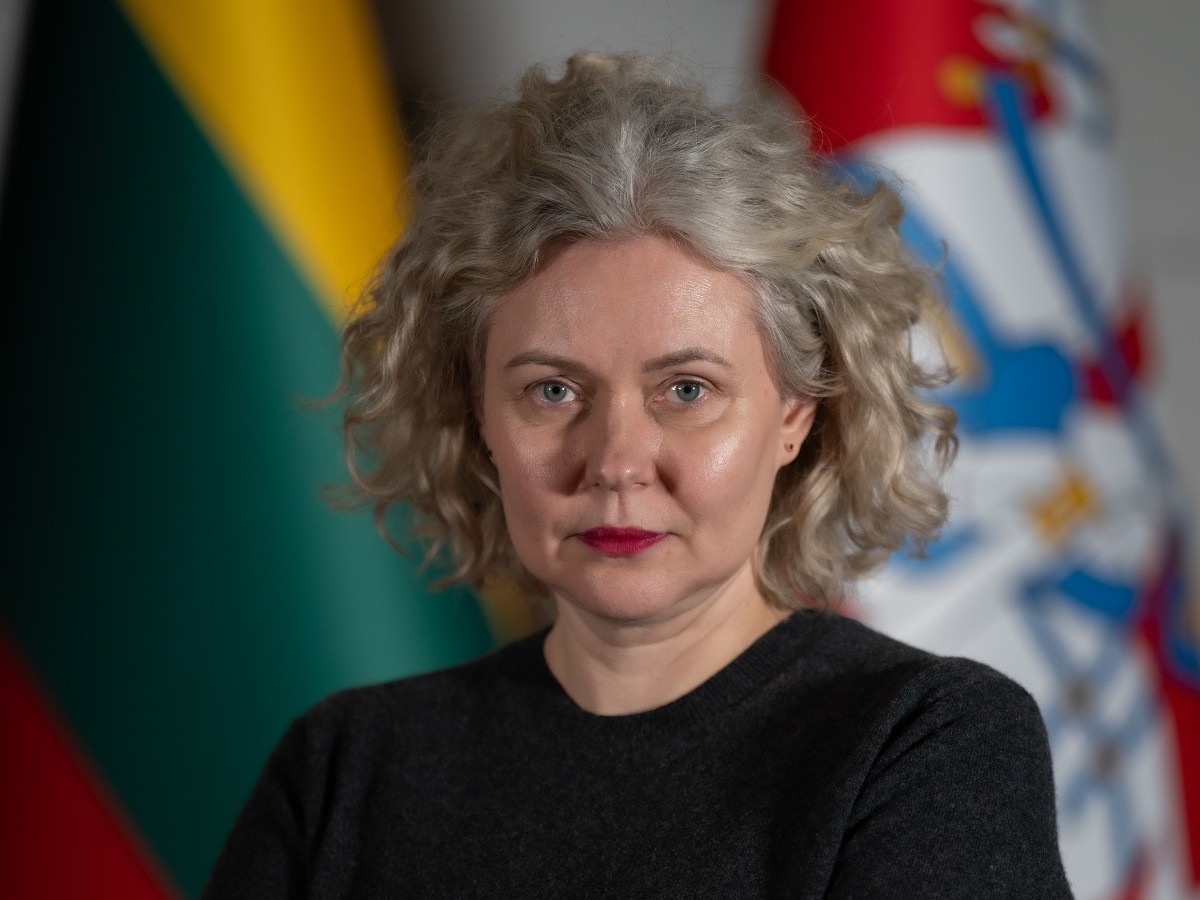 Agnė ŽekonytėAdviser, Planning and Analysis unit, Strategic Communications and Public Relations Department, Ministry of National Defence of Lithuania
UR
Ukrainian RepresentativeChief of the Public Affairs Section, 2nd Corps Khartiia, National Guard of Ukraine
Russia’s efforts to influence the West go beyond disinformation. By exploiting historical narratives, social divisions and declining trust in democratic institutions, the Kremlin seeks to shape how Western societies understand events, perceive threats and make decisions. This discussion will explore how Russia’s worldview and use of cognitive warfare shape the information environment, why Western societies are vulnerable to these efforts, and how democracies can strengthen their resilience.
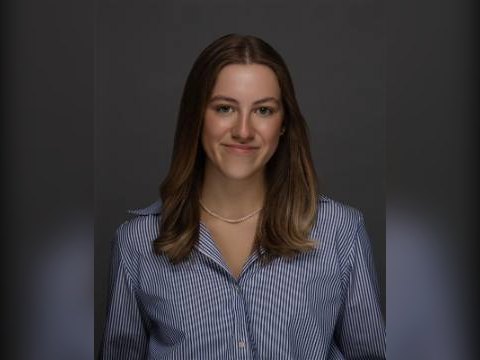 Jennie OlmstedRussia Analyst, Institute for the Study of War (ISW)
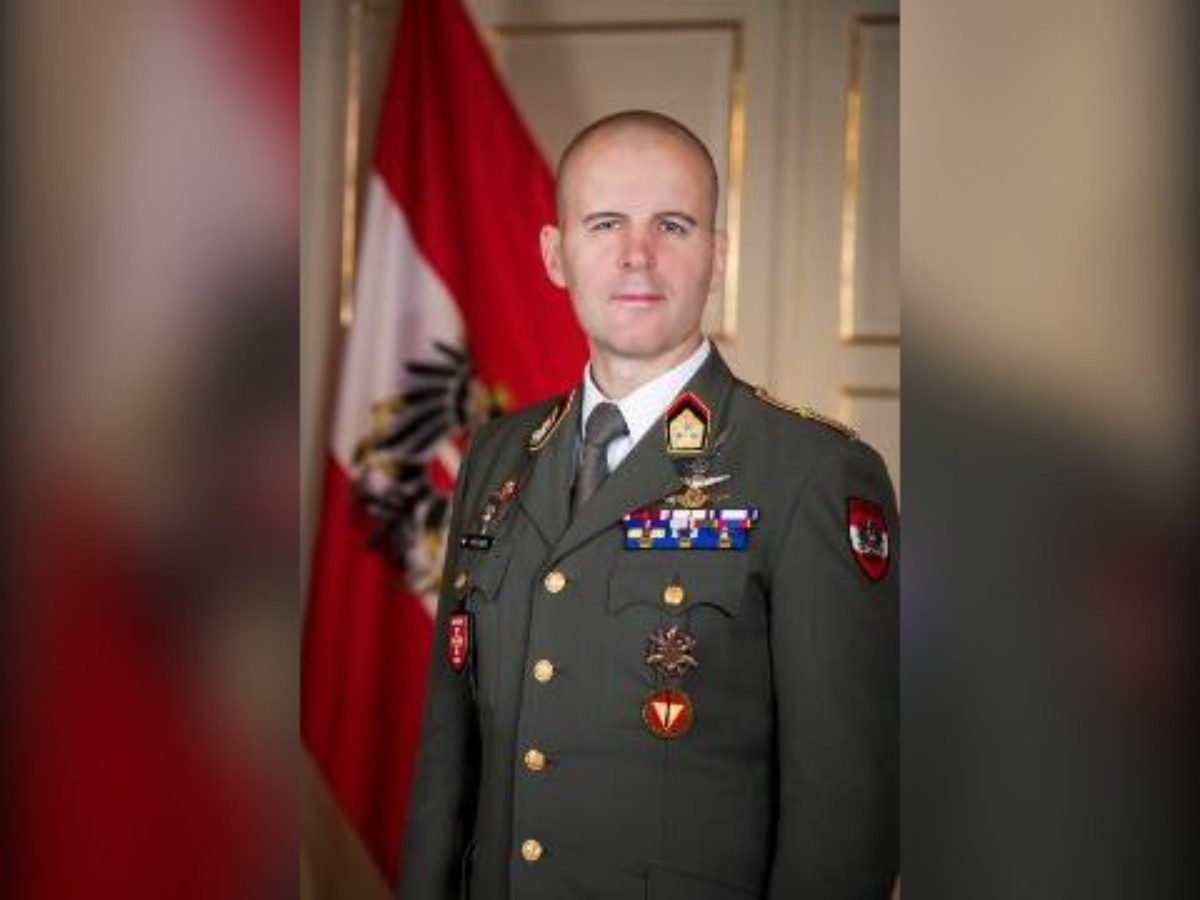 Col. Dr. Markus ReisnerAustrian Armed Forces
 Jussi JärvinenExecutive Vice President, Protected Mobility, PATRIA
 Julius von Freytag-LoringhovenHead of the Baltic States, Friedrich Naumann Foundation for Freedom
SU
Senior Ukrainian Military Official
 Tomas MilašauskasCEO, RSI Europe
CE
Carsten Engdal PedersenDirector, International Business Development & Exports, Fire Point
UR
Ukrainian RepresentativeUnmanned Systems Battalion, Burevii Brigade, 1st Corps Azov
UR
Ukrainian RepresentativeIntelligence Analyst, 429th Unmanned Systems Brigade "ACHILLES"
ED
Elena DushenokHead of Growth, SkyFall
 Audrius ZujusFounder and CEO, Mainline
The side event will also be attended by Sergeant (OR-4) Tymofii Kolesov, Commander of the 1st Squad, Strike Unmanned Aerial Systems Platoon. The pilot will be available afterwards to answer more technical questions related to drone operations, battlefield applications, and countering russian drones and tactics.
 Maciej SzymańskiTeam Leader - Single Market for Defence, European Commission
 Frank DirksenChief Commercial Officer, Helsing
 Evaldas DūdonisPartner, Co-head of Defence sector group, Sorainen
 Johannes ArltSenior Vice President, STARK Defence
 Neringa BladaitėActing Head of Business Resilience, LTG Group
DK
Donata KetlerytėProject Manager, Geopolitics and Security Studies Center (GSSC)
This discussion will explore how lessons from Ukraine can be translated into the Lithuanian and Swedish contexts, with a particular focus on strengthening societal resilience against hybrid threats. It will examine how the two countries (governments, municipalities, businesses, civil society and citizens) can better prepare in peacetime to protect critical infrastructure and essential services, respond to foreign information manipulation and interference (FIMI), and strengthen cooperation between public institutions, businesses, civil society and citizens. Drawing on Ukraine’s experience, the discussion will consider what practical measures can be put in place before a crisis to ensure that societies are able to withstand disruption, adapt and continue functioning.
 Michael SheldonOSINT researcher, formerly Bellingcat
 Eyal EngelDirector of Sales & Business Development, IAI
 Jack Twiss Quarles van UffordLecturer, Baltic Defence College
UR
Ukrainian RepresentativeEW Analysis Officer, 69th Electronic Warfare Support Center, Ukraine
A practitioner-led case study on targeting, adaptation, mission planning, effects and operational limitations.
 Iryna TerekhCEO, Fire Point, Ukraine
Simon OstrovskySpecial Correspondent, PBS NewsHour
Tue
Simon OstrovskySpecial Correspondent, PBS NewsHour
 Kęstutis BudrysMinister, Ministry of Foreign Affairs of Lithuania
 Dr. Alexandr BurilkovSenior researcher, Centre for the Study of Democracy (ZDEMO), Leuphana University of Lüneburg & Senior fellow, GLOBSEC GeoTech Center
 Lina JankūnėLegal and Policy Officer, Directorate-General for Defence Industry and Space, European Commission
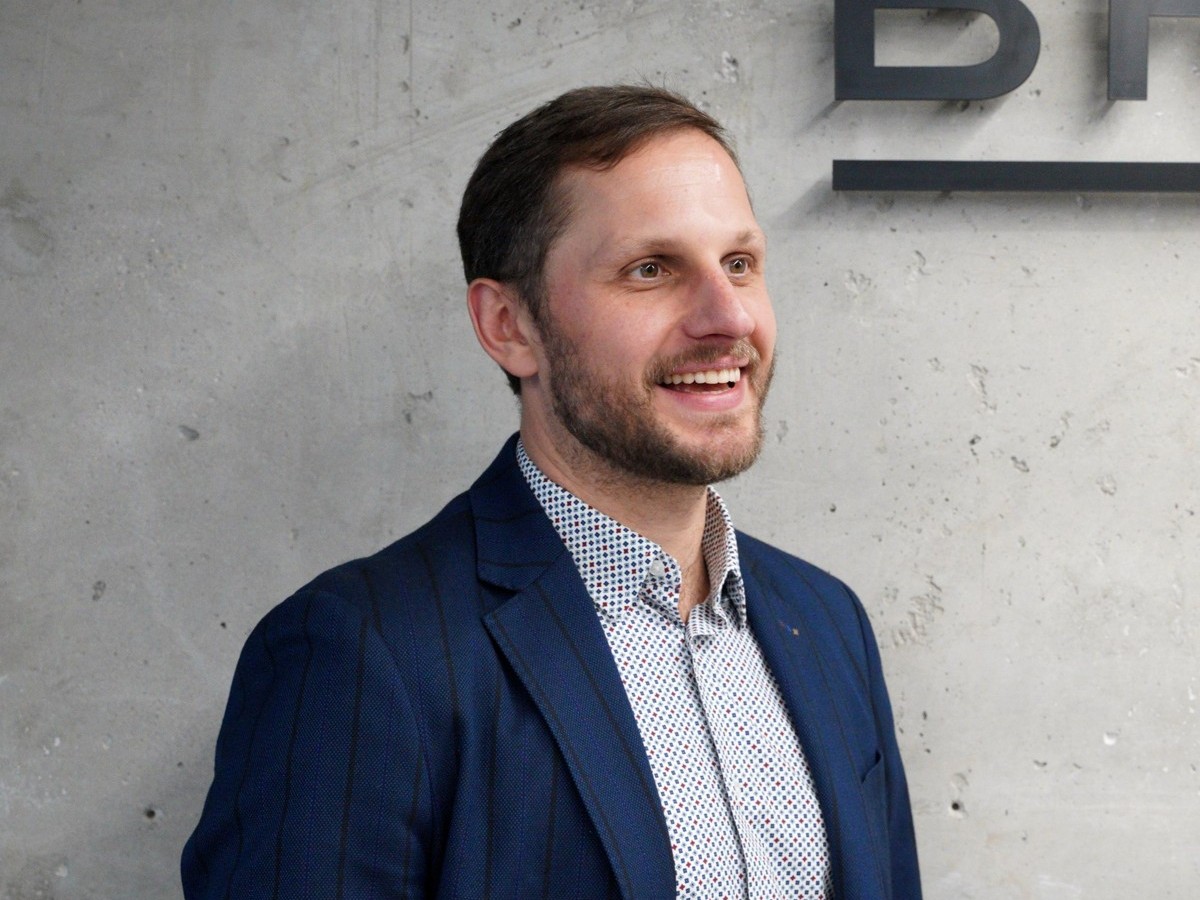 Augustinas VizbarasCo-founder, BROLIS
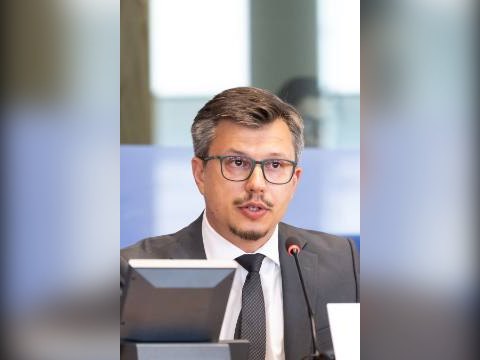 Dr. Mykola NazarovSenior Analyst, Sahaidachnyi Security Center, Ukraine & Research Fellow, International Centre for Defence and Security (ICDS)
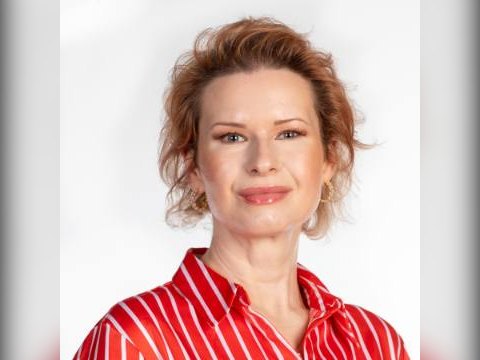 Dr. Ieva GajauskaitėHead of Division, Total Defence and Crisis Management Group, Ministry of National Defence of Lithua & Head of the Analysis Bureau, National Crisis Management Centre
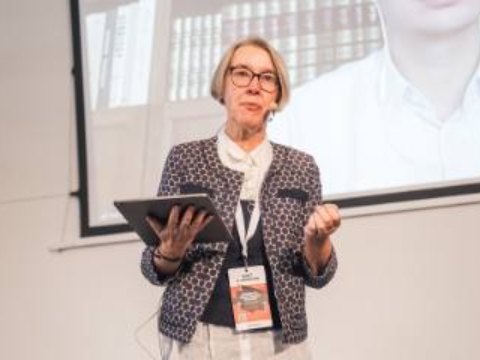 Janet H. AndersonJournalist & Commentator
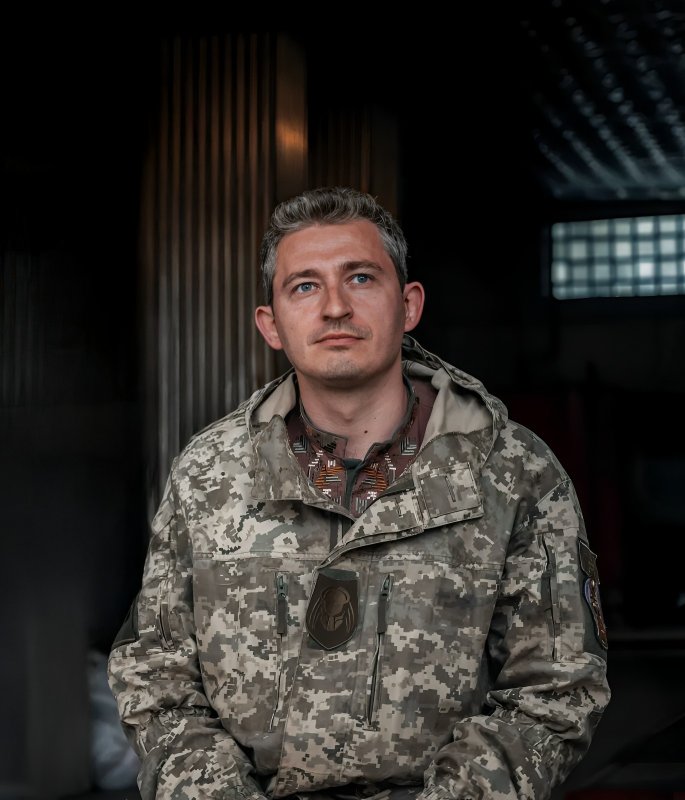 Mykola SiergaFounder and Commander, Cultural Forces of the Armed Forces of Ukraine
Julius von Freytag-LoringhovenHead of the Baltic States, Friedrich Naumann Foundation for Freedom
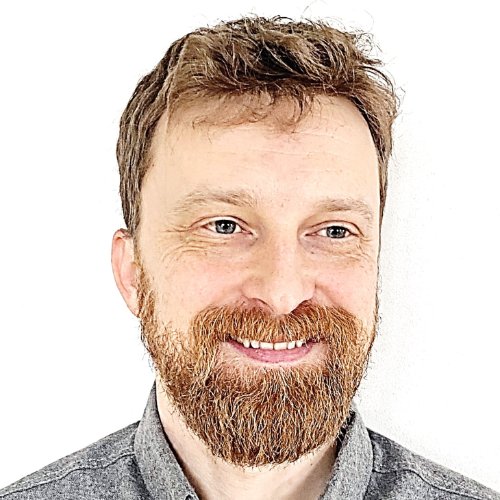 Wojciech SolakDirector, Centre for Democracy & Resilience, GLOBSEC
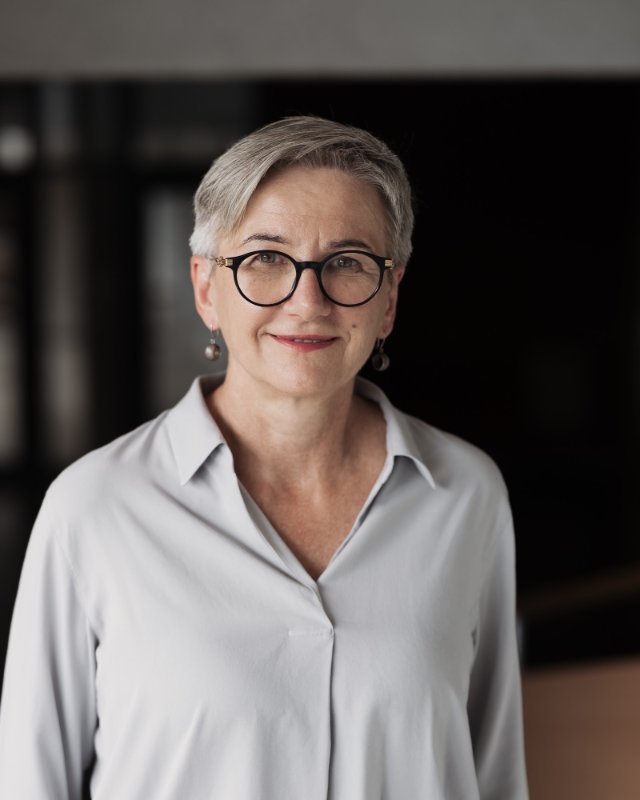 Dalia BankauskaitėPartnership Associate Professor at Vilnius University; Senior Fellow, CEPA
GLOBSEC Trends 2026 provides a comparative picture of public attitudes with a particularly strong focus on security and defence, perceptions of geopolitical threats, and the societal implications of AI. On defence, the survey examines public willingness to defend one’s country, perceptions of national preparedness for a major crisis or war, attitudes towards compulsory military service and higher defence spending, and support for stronger European defence capabilities. It also explores the future of the transatlantic security relationship, including perceptions of the US role in European security, confidence in NATO commitments, and whether Europe should assume greater responsibility for its own defence.
 Helmut MichelVP Business Development & C-UAS Field Expert, AARONIA
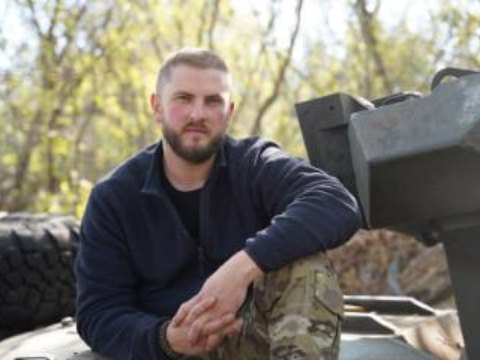 Bohdan DanylivHead of the Military Department, Serhiy Prytula Charity Foundation
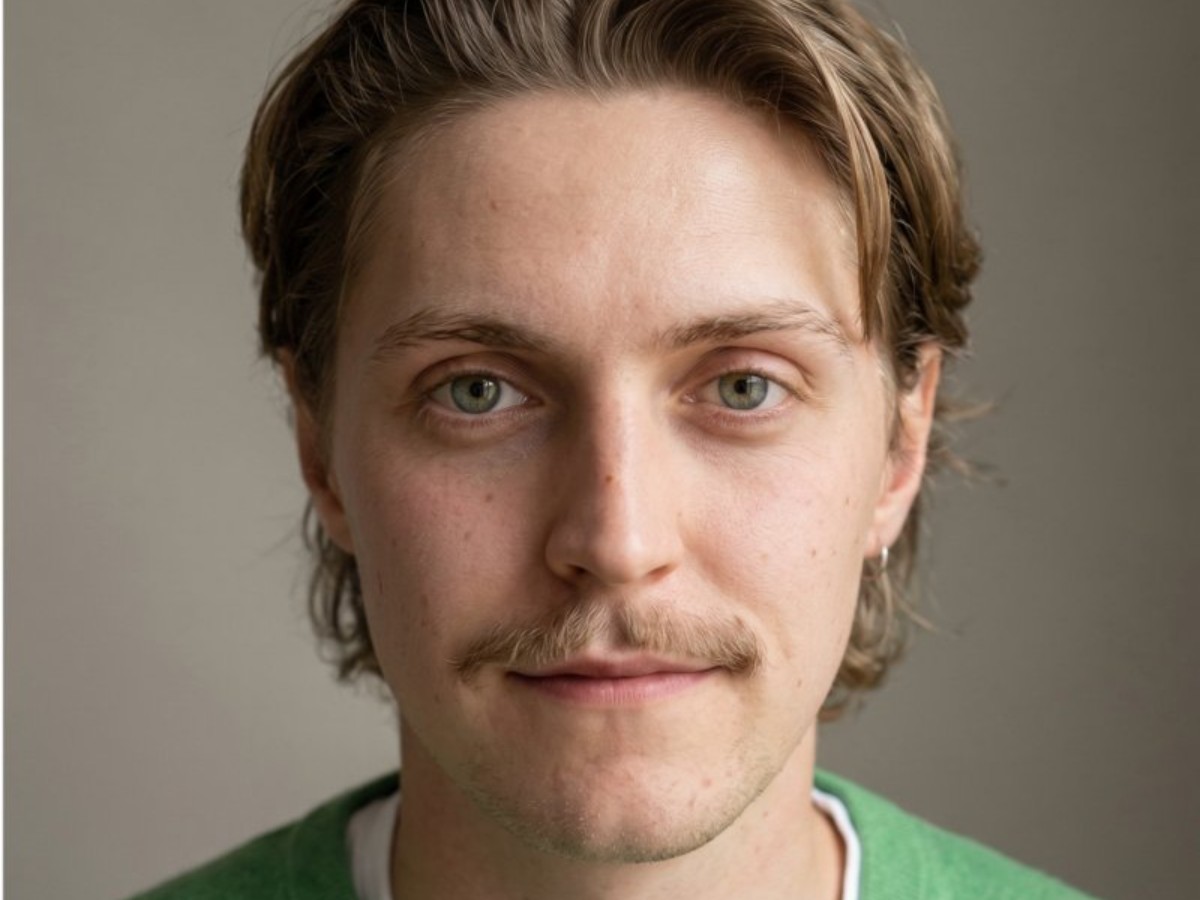 Vladyslav YevstafievBusiness Development Manager, Farsight Vision
TS
Tadas StelionisCEO, 3pdefence
AV
Arūnas VinciūnasHead of Unit of Ukraine Defence Cooperation, DG DEFIS
MM
Mārtiņš MežulisDefence Program Expert, CIVITTA
The session explores tech-transfer models, practical battlefield validation, and software iteration derived from Ukraine's frontline environment into wider European and NATO defense architectures. It will also cover learnings from the latest pan-European defence ecosystem support initiatives.
Ruben StewartSenior Fellow for Land Warfare, International Institute for Strategic Studies (IISS)
Federico BorsariFellow, Transatlantic Defense and Security Program, CEPA
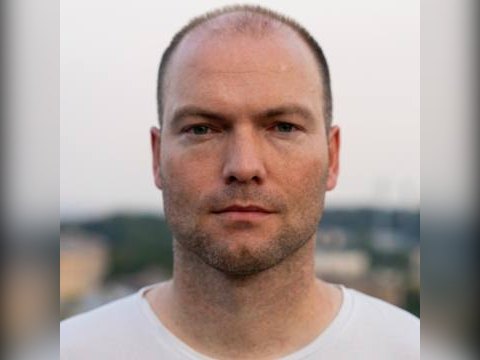 Julian RöpckeCMO, United Unmanned Systems (UUS) & former war correspondent, BILD
UR
Ukrainian RepresentativeEW Analysis Officer, 69th Electronic Warfare Support Center, Ukraine
UR
Ukrainian RepresentativeDeputy commander of unmanned systems development, Special operation unit "Lasar"
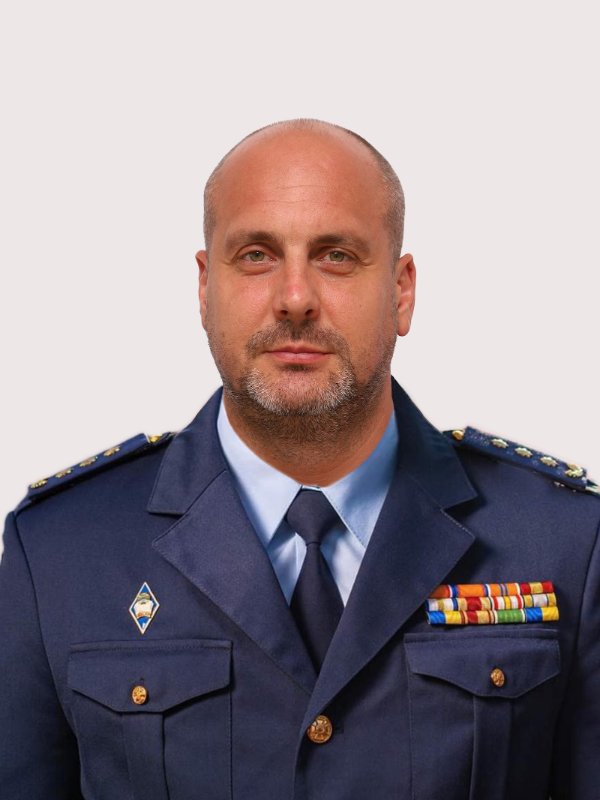 Andrii KhyzhniakHead of the Main Directorate, State Emergency Service of Ukraine in Poltava Oblast & Major General, Civil Protection Service
Mykola SiergaFounder and Commander, Cultural Forces of the Armed Forces of Ukraine
 Romas KlapatauskasMember of Lithuanian Riflemen's Union
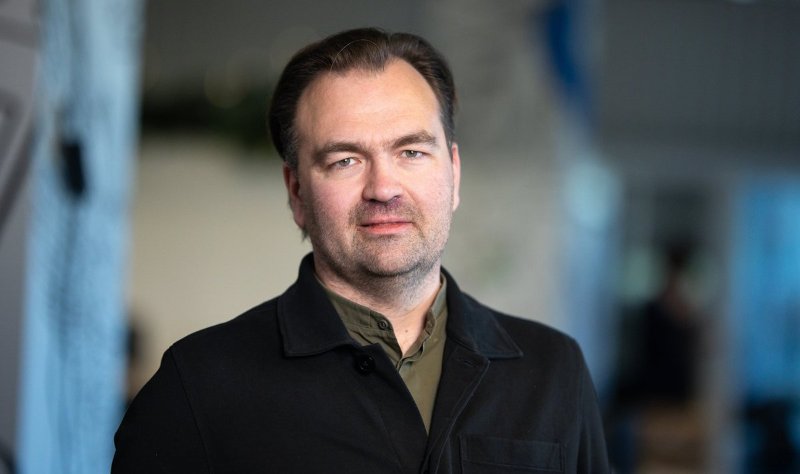 Mykolas KatkusCEO and co-founder of Repsense
MT
Mantas TamošaitisDirector, Naujasis Židinys-Aidai
Culture is more than a reflection of a society: in times of war and crisis, it becomes a sourceof resilience, a means of preserving national identity, and a powerful tool for sustaining morale and mobilising international support. Russia’s war against Ukraine has demonstrated that defending a country also means protecting its cultural heritage, strengthening the spirit of its people, and countering attempts to manipulate history, identity and public perception. Culture can serve both as a shield, helping societies withstand adversity, and a saber, allowing them to communicate their story, challenge hostile narratives, and defend their identity. The panel will explore these interconnected roles through three distinct perspectives.
 Ed VeenSenior Naval Consultant, Damen Naval & Director Netherlands Coastguard (Ret)
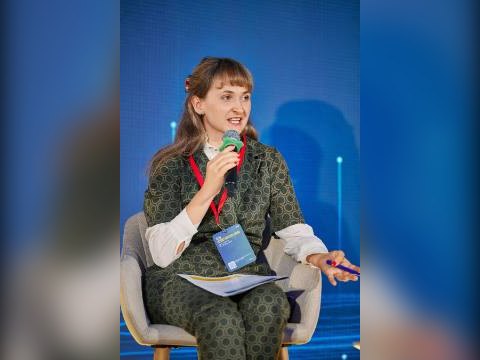 Oleksandra AzarkhinaFormer Deputy Minister for Communities, Territories and Infrastructure Development of Ukraine (2022–2024)
 Vitālijs RakstiņšChief Security & Chief Resilience Officer, Latvian Public Broadcasting
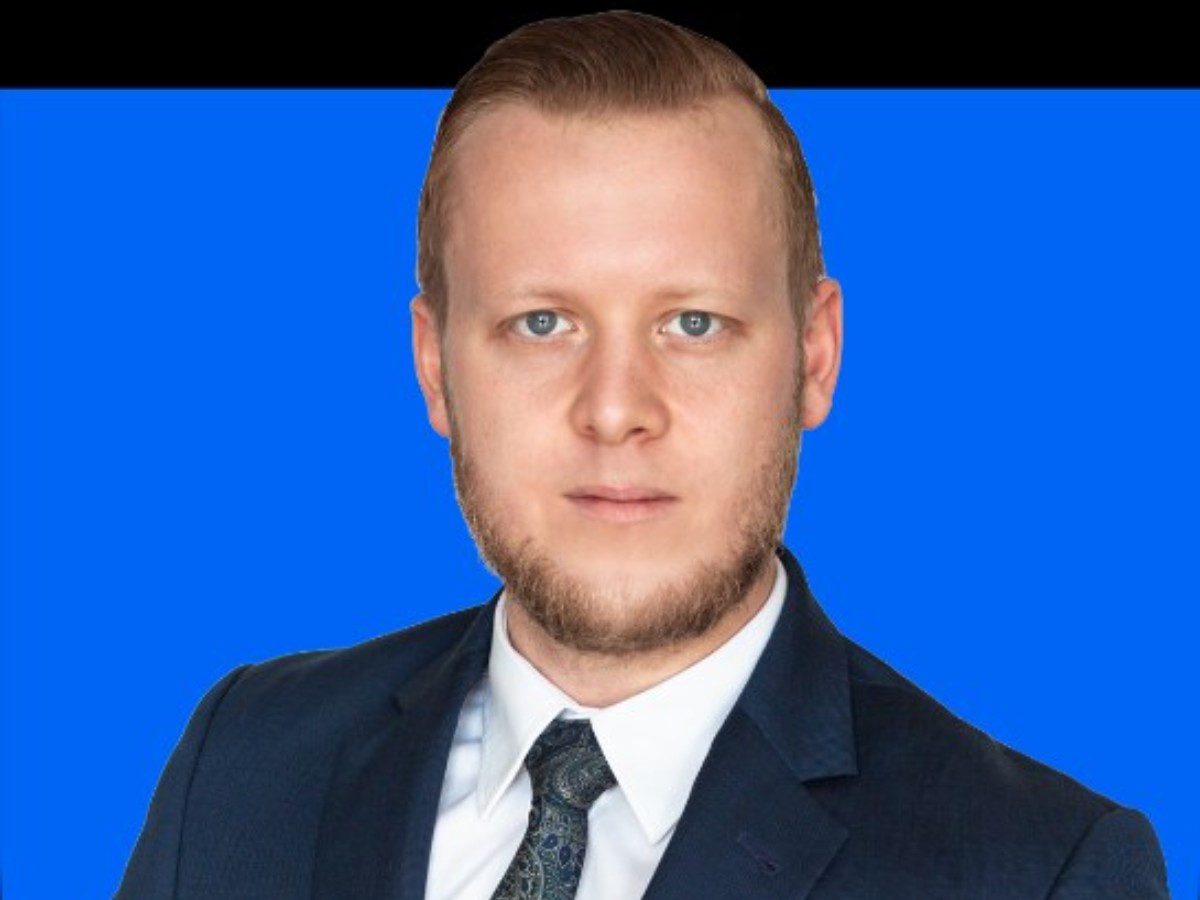 Dr. Aleksander OlechHead of International Cooperation & Editor-in-Chief, Defence24.com
UR
Ukrainian Representative
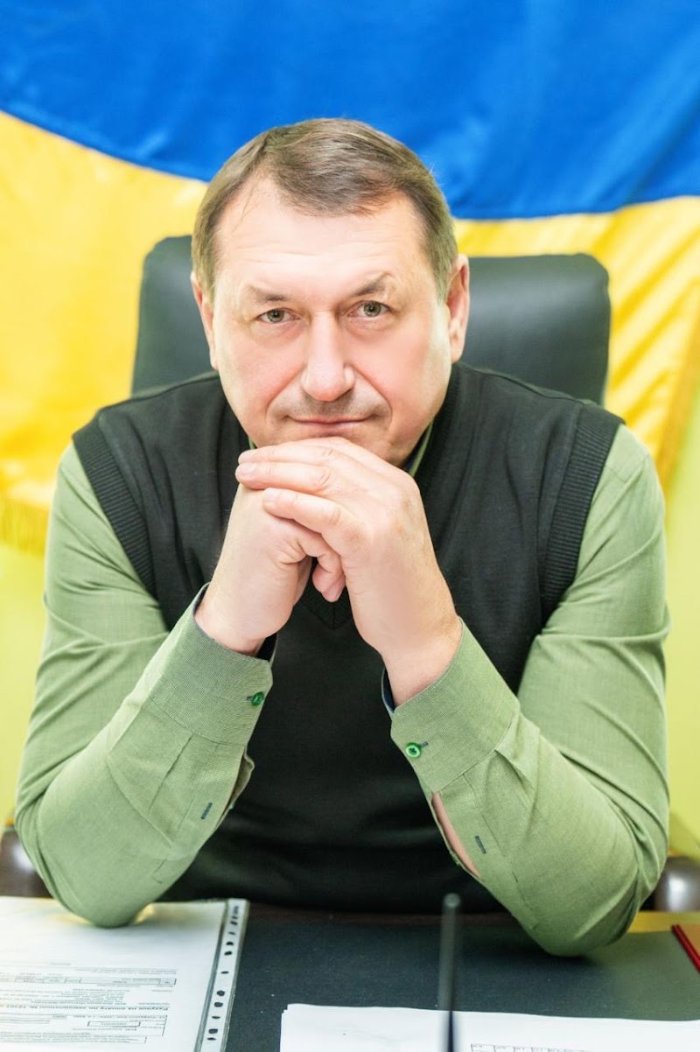 Mykola TorianykHead of the Khotin hromada, Ukraine
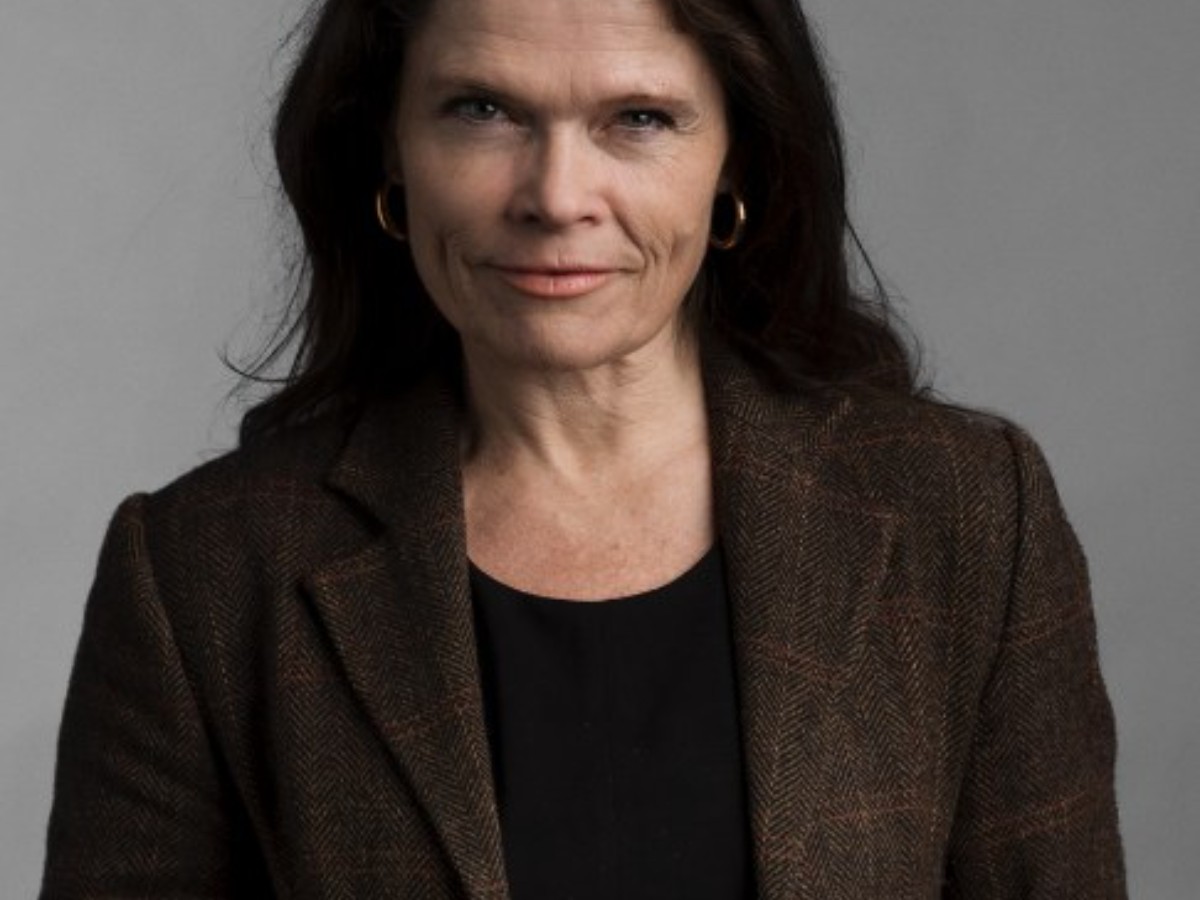 Prof. Dr. Cecilie HellestveitNorwegian University of Science and Technology
 Žygimantas SolovjovasHead of Civil Protection Division, Vilnius City Municipality
 Caecilia T. M. WijgersAmbassador, Embassy of the Kingdom of the Netherlands in Lithuania
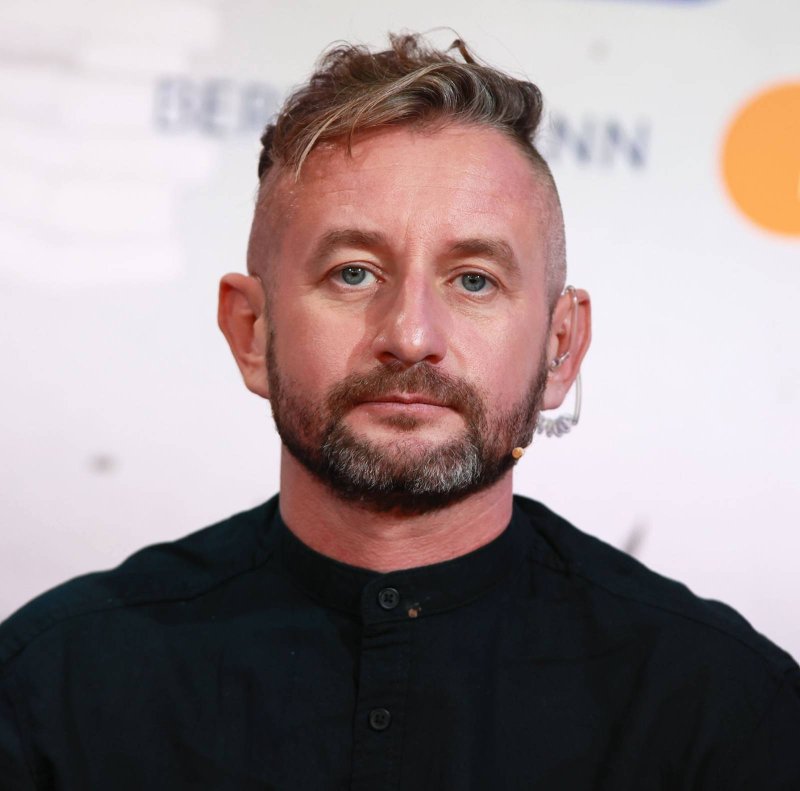 Serhiy ZhadanUkrainian poet, novelist, musician, translator, and social activist
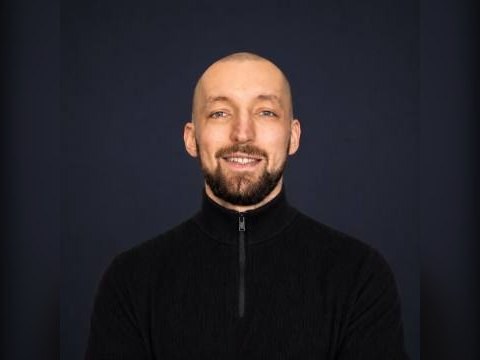 Dan KucherenkoHead of International Partnerships, Serhiy Prytula Charity Foundation, Ukraine
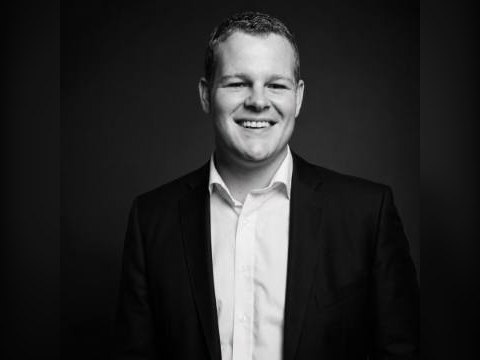 Julian KelterbornCEO, United Unmanned Systems
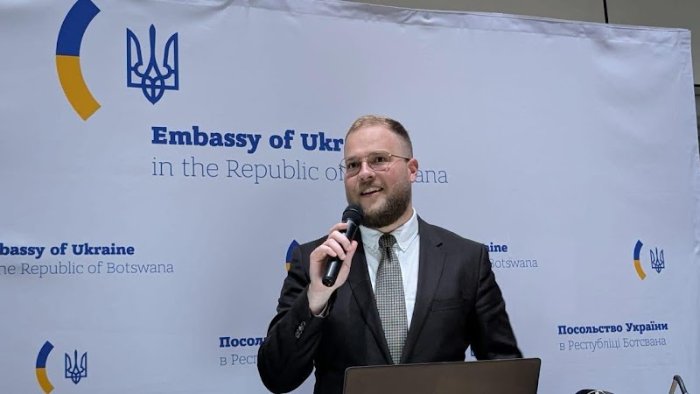 Dr. Nazar SyvakManager of the Victory Robots Initiative, Dignitas Fund
 Kerry HoppeManager of Government Affairs and Business Development, TYTAN Technologies
Simon OstrovskySpecial Correspondent, PBS NewsHour
Andrius Kubilius is the European Commissioner for Defence and Space, a position held since December 2024. He twice served as Prime Minister of Lithuania and was a Member of the European Parliament from 2019 to 2024.
Major General Pascal Legai is Senior Security Coordinator and Adviser to the Director General at the European Space Agency, a role he has held since 2021. A former French Air & Space Force officer, he was Director of the EU Satellite Centre from 2015 to 2019.
Matthew Savill is Director of Military Sciences at RUSI, focusing on trends in modern conflict and the use of force. He spent over 20 years in UK defence and security, mainly at the Ministry of Defence, including roles in Defence Intelligence and Special Operations policy.
Rear Admiral Giedrius Premeneckas is a Lithuanian military officer and the current Chief of the Defence Staff of the Lithuanian Armed Forces, a position he assumed in July 2025. A career naval officer, he previously served as the Commander of the Lithuanian Navy and was the first Lithuanian officer to command a NATO naval task group (SNMCMG1).
Brian Whitmore is an Assistant Professor of Practice at University of Texas-Arlington and a Nonresident Senior Fellow at the Atlantic Council's Eurasia Center. He founded The Power Vertical Blog and Podcast on Russian affairs, and was Senior Russia Analyst at RFE/RL for 11 years.
Etienne Marcuz is a senior analyst in strategic armaments and nuclear deterrence at the Fondation pour la Recherche Stratégique, a French think tank. His research addresses nuclear deterrence amid the resurgence of the nuclear threat in Europe, and he previously worked at the French Ministry of the Armed Forces.
Karl Sörenson is director of research and deputy director of the Strategy and Policy department at the Swedish Defence Research Agency (FOI), where he heads the Nuclear weapons analysis program. He is also a Visiting Senior Research Fellow at King's College London's Centre for Nuclear Strategy and Security.
Artur Kacprzyk is a senior analyst at the Polish Institute of International Affairs (PISM) in Warsaw. His research focuses on nuclear deterrence and NATO, including U.S. force posture in Europe, Russian nuclear threats, NATO nuclear sharing and French forward deterrence.
Federico Borsari is a Fellow with the Transatlantic Defense and Security Program at the Center for European Policy Analysis (CEPA), covering NATO and European defense and the use of novel technologies in military operations. He is also an associate with the Tochnyi OSINT Group and a subject-matter expert with the NATO C-UAS Community of Interest.
Rob Lee is a Senior Fellow at the Foreign Policy Research Institute and a former Marine infantry officer. A leading military analyst focused on the Ukrainian Armed Forces and Russian military strategy, he co-runs the Two Marines newsletter on the war in Ukraine and defence technology.
Robert Tollast is a research fellow in the Land Warfare team at RUSI, specialising in uncrewed systems. He was previously Assistant Foreign Editor and Military Affairs Reporter at The National in Abu Dhabi, and advised the Iraqi Ministry of Foreign Affairs.
Ruben Stewart is the Senior Fellow for Land Warfare at the International Institute for Strategic Studies (IISS), researching how European and NATO land forces adapt and integrate emerging technologies. He previously served as a New Zealand Army infantry officer, then at UN OCHA and as a Military Advisor at the ICRC.
Major General Peter Andrysiak (U.S. Army, Ret.) is a Senior Counselor at Palantir Technologies, advising on its European defence initiatives, after 35 years of service. As Chief of Staff of U.S. European Command he led digital transformation, and earlier as Director of Operations he led planning for the U.S. response to the Ukraine crisis.
Atilla Çağrı Dağıstan is Air Defence Systems Program Manager at ASELSAN with over 12 years of experience in tactical air defence. He leads advanced air defence programs, including Türkiye's "Steel Dome" concept, and has worked on SHORAD/VSHORAD and counter-UAS systems.
Jennie Olmsted is a Russia Analyst at the Institute for the Study of War (ISW). She contributes to and oversees the daily Russian Offensive Campaign Assessment and analyses Russian military campaign design and battlefield operations.
Colonel Dr Markus Reisner is a General Staff Officer in the Austrian Armed Forces and Head of the Institute for Officer Training at the Theresan Military Academy in Wiener Neustadt. A former Jagdkommando special forces officer, he is one of the Austrian Armed Forces' military experts on the war in Ukraine.
Jussi Järvinen is Executive Vice President of Patria, leading the Protected Mobility business unit, which covers the company's wheeled and tracked armoured vehicles. He has 20 years of international business leadership experience and chairs the strategy group of PIA (Finnish Defence and Aerospace Industries).
Julius von Freytag-Loringhoven is Head of the Friedrich Naumann Foundation for Freedom Baltic States, where he opened the Freedom Center in Vilnius in 2025. He previously headed the Foundation's offices in Jerusalem and Moscow, the latter until he was personally blacklisted in Russia.
Michael Sheldon is an open source researcher focusing on Russia and Ukraine. He has nearly a decade of OSINT investigations experience with the Centre for Information Resilience, Bellingcat and the Atlantic Council.
Jack Twiss is a lecturer at the Baltic Defence College in Tartu, Estonia, and a former Netherlands Ambassador to Lithuania. He previously served as Director of Intelligence at the Dutch AIVD and as National Security Advisor to Prime Minister Mark Rutte.
Maciej Szymanski is Team Leader at the European Commission's Directorate-General for Defence Industry and Space (DG DEFIS), working to build an EU-wide defence market. He previously was Deputy Chair of the Defence Industry Working Party during the Polish Council Presidency and Head of the Economic and Trade Section at the EU Delegation to Russia.
Dr.-Ing. Frank Dirksen is Chief Commercial Officer and Domain Lead Land at Helsing. He previously served as CEO of Rheinmetall Denel Munition in South Africa and spent 15 years as a Bundeswehr officer.
Evaldas Dūdonis is a Partner at Sorainen and co-head of the firm's Defence sector group.
Iryna Terekh is the CEO of Fire Point, having joined in 2023 as Director of Production. She built the production infrastructure behind the FP-1 drone and FP-5 Flamingo cruise missile, growing the team from a handful of engineers to thousands of professionals.
Dr. Alexandr Burilkov is a senior researcher in defence and security at the Centre for the Study of Democracy (ZDEMO), Leuphana University of Lüneburg, and a senior fellow at the GLOBSEC GeoTech Center. He is an expert on military and security issues in Russia, China and the post-Soviet space.
Dr. Mykola Nazarov is a Senior Analyst at the Sahaidachnyi Security Center in Ukraine and a Research Fellow at the International Centre for Defence and Security (ICDS) in Tallinn. He specialises in national resilience and civil-military cooperation.
Dr Ieva Gajauskaitė is Head of Division in the Total Defence and Crisis Management Group at Lithuania's Ministry of National Defence, leading work on resilience against hybrid threats. She also heads the Analysis Bureau at the National Crisis Management Centre and was previously an Associate Professor at the General Jonas Žemaitis Military Academy of Lithuania.
Janet H. Anderson is a journalist and commentator focused on politics, international affairs and international courts, who has reported from post-conflict environments across Africa, Asia and the Middle East. She co-founded and co-presents a podcast on The Hague and war crimes cases, and works extensively as a moderator.
Helmut Michel is a counter-UAS field expert at Aaronia with more than 10 years of experience in military electronic warfare. He is a former commanding officer of the Austrian ELDRO C-UAS element and former Institute Director for Cyber and Electronic Warfare.
Bohdan Danyliv is Head of the Military Department at the Serhiy Prytula Charity Foundation, coordinating cooperation with Ukrainian Defence Forces units and large-scale defence technology projects. He helped build the Foundation's interceptor drone, short-range air defence and UAV operator training capabilities.
Julian Röpcke is Chief Marketing Officer of United Unmanned Systems (UUS) and a former BILD war correspondent and military analyst. He spent over 11 years reporting from Ukraine and other conflict zones, and now hosts UUS's FRONTLINE analysis series.
Oleksandra Azarkhina is a former Deputy Minister for the Development of Communities and Territories of Ukraine, co-founder of the We Build Ukraine think tank and adviser at the Economic Security Council of Ukraine. She until recently led International Cooperation and Innovation at the Air Force C-UAV Command, countering Shahed-type threats.
Vitālijs Rakstiņš is a Latvian practitioner with twenty years of experience in the Ministries of Interior and Defence. He has served as Defence Counsellor to the Latvian Delegation to NATO, Director of the Crisis Management Department and non-resident resilience advisor to Ukraine's Ministry of Defence, and lectures at Rīga Stradiņš University.
Mykola Ivanovych Torianyk is Mayor of Khotin and Head of the Khotin Settlement Council in Sumy District, Ukraine, a border community, a post he has held since 2016. He initiated a volunteer territorial defence formation in the first days of the full-scale invasion and supports the Armed Forces of Ukraine.
Dr. Cecilie Hellestveit is a lawyer and social scientist researching international law, armed conflict and geopolitics, particularly the regulation of modern methods and means of warfare. She leads a Norwegian Ministry of Defence-funded project on Ukraine and international law.
Žygimantas Solovjovas is Head of the Preparedness Division of the Vilnius City Municipality and a Lithuanian officer with over 16 years of service in the Voluntary National Defence Force (KASP). A participant in the international peacekeeping mission in Afghanistan, he specialises in civil protection, crisis management and societal resilience.
Caecilia Wijgers served as Dutch ambassador in conflict and post-conflict countries such as Afghanistan and Mali. She has extensive hands-on experience in civil-military cooperation and crisis response.
Dan Kucherenko is Head of International Partnerships at the Serhiy Prytula Charity Foundation, Ukraine, which delivers critical equipment to the Armed Forces of Ukraine. After the full-scale invasion he became an angel investor and advisor at Warm Wind, and co-launched the military podcast Defence Forward.
Julian Kelterborn is Co-Founder and CTO of United Unmanned Systems (UUS), a German-Ukrainian defense technology company building combat-proven unmanned systems. He works closely with Ukrainian units, applying frontline feedback to development, and advises on drone threats and counter-UAS.
Johannes Arlt is Senior Vice President at STARK. He is a former member of the German Bundestag (SPD), where he sat on the Defence and Economic Affairs Committees. Earlier he served in the German Air Force, completing seven overseas deployments, six involving unmanned systems.
Dr. Nazar Syvak leads the Victory Robots initiative at Dignitas Fund, which trains and integrates Ukrainian Armed Forces personnel on Unmanned Ground Vehicles (UGVs). The initiative has prepared almost 4,000 UGV operators. He is also a security studies scholar focused on gray-zone warfare and emerging military technologies.
Wojciech Solak is Director of GLOBSEC's Centre for Democracy and Resilience, leading work on democratic resilience across Central and Eastern Europe. He has managed projects for the EU, NATO and the U.S. Department of State, specialising in FIMI, strategic communication and societal resilience.
Dr. Sidharth Kaushal is Senior Research Fellow in the Military Sciences Team at RUSI. His research focuses on naval warfare, deep strike, IAMD and deterrence, and he works closely with the Royal Navy, Royal Marines and allied militaries.
Serhiy Zhadan is a Ukrainian poet, novelist, musician, translator and social activist, and one of the most widely read contemporary writers in Ukraine. Since the start of Russia’s full-scale invasion he has supported soldiers and civilians in his native Kharkiv region. He is also an officer of the Khartiia Corps of the National Guard of Ukraine.
Carsten Engdal Pedersen is Director of International Business Development & Exports at Fire Point.
Agnė Žekonytė is an Adviser at Planning and Analysis unit at the Strategic Communications and Public Relations Department of the Ministry of National Defence of the Republic of Lithuania, working on information threats and the concept of cognitive warfare, and one of the organisers of the annual Vilnius StratCom conference.